- Paatil urges southern states to accelerate Jal Jeevan Mission 2.0.
- Around 16 crore rural households have received tap connections.
- States asked to target completion of pending works by December 2027.
- Seven states and UTs discuss water sustainability and local governance.
GG News Bureau
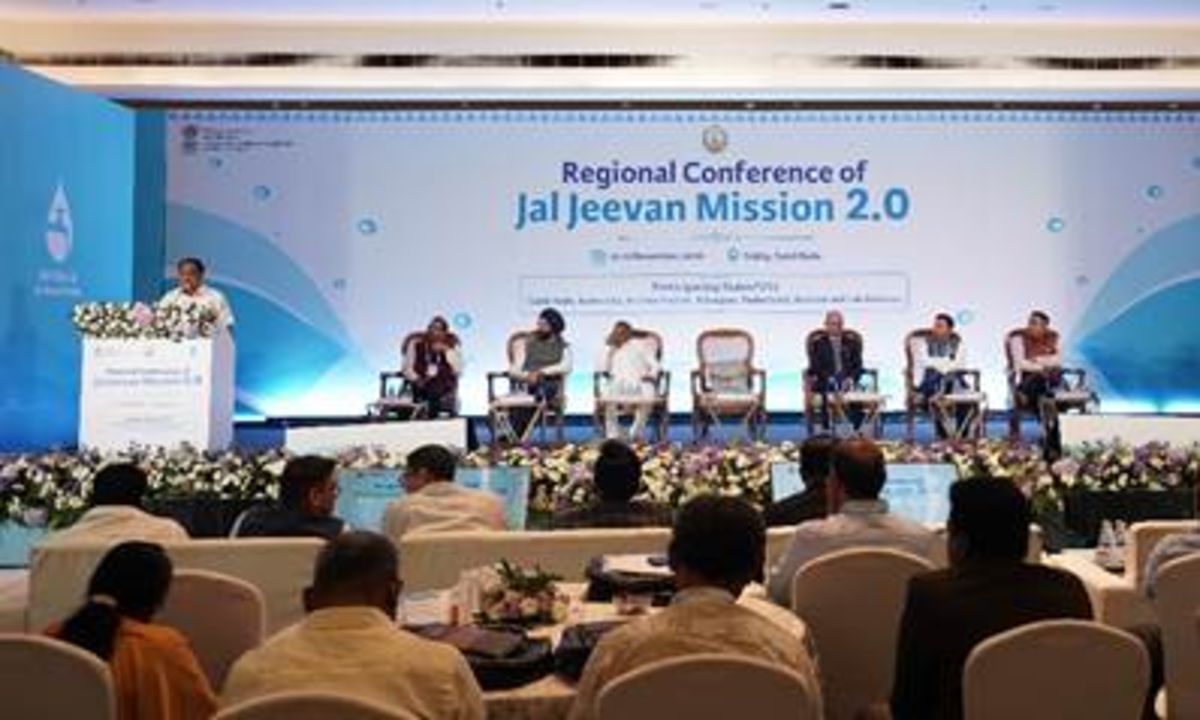
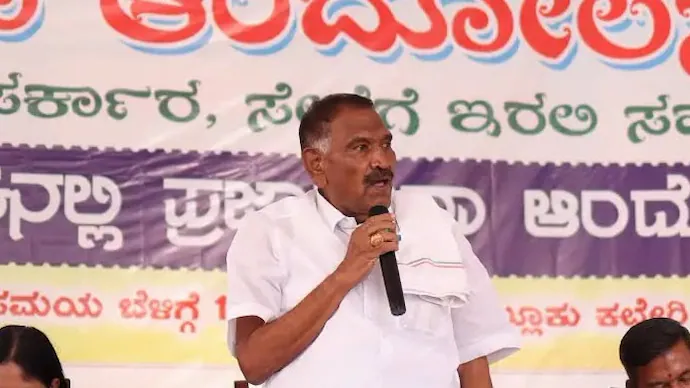
Tiruchirappalli, 13th Nov: Union Jal Shakti Minister C. R. Paatil on Thursday called on southern states and Union Territories to accelerate the implementation of Jal Jeevan Mission 2.0, emphasising sustainable drinking water services, groundwater recharge and stronger community-led water management.
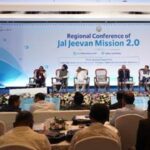
Addressing the first regional conference on Jal Jeevan Mission 2.0, organised by the Department of Drinking Water and Sanitation in collaboration with the Tamil Nadu government, Paatil said the focus must shift from creating infrastructure to ensuring reliable and long-term drinking water services.
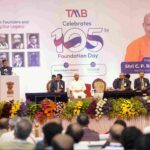
The two-day conference, being held on November 12 and 13, has brought together representatives from Tamil Nadu, Karnataka, Keralam, Andhra Pradesh, Telangana, Puducherry and Lakshadweep to review progress and address implementation challenges.
Paatil recalled the launch of Jal Jeevan Mission in 2019 and said approximately 16 crore rural households had received tap water connections. He noted that the regional conference was a follow-up to the Departmental Summit on Water held on September 1 and 2, 2026, aimed at translating its decisions into action at state, district and village levels.
The Minister said pending works should be completed within the approved mission timeline of December 2028, while urging states to make efforts to finish them by December 2027 wherever feasible.
He stressed the need for structural reforms in operation and maintenance, institutional accountability and the long-term functionality of rural water supply systems. He also called for greater attention to groundwater recharge, rainwater harvesting and community participation under the Jal Sanchay Jan Bhagidari initiative.
States, ministries discuss implementation priorities
Tamil Nadu Minister for Rural Development, Panchayati Raj and Water Resources N. Anand highlighted the state’s efforts to expand household tap connections and strengthen drinking water infrastructure. He outlined measures covering maintenance of water supply systems, cleaning of overhead tanks, community-based water quality testing and district-level monitoring.
Department of Drinking Water and Sanitation Secretary Ashok K. K. Meena said the Tiruchirappalli meeting was the first of five regional conferences planned to translate the September water summit’s outcomes into actionable measures.
He identified source sustainability, financial planning, skilled local workforce, effective maintenance and Gram Panchayat-led governance as key priorities. He also highlighted digital platforms such as Sujalam Bharat and coordination between government departments.
Officials from the Ministries of Skill Development and Entrepreneurship, Rural Development and Panchayati Raj discussed opportunities to strengthen local workforce training, groundwater recharge, tribal habitation coverage and village-level water governance.
The conference also featured presentations on indigenous Low Temperature Thermal Desalination technology, including eight plants established in Lakshadweep, and an Ocean Thermal Energy Conversion project integrating renewable energy with desalination.
Representatives from the seven participating states and Union Territories presented their progress, challenges and proposed action plans. Discussions covered financial and physical completion of schemes, digital monitoring, geo-tagging of water assets, water quality, community participation and Har Ghar Jal certification.
The conference aims to strengthen Centre-State coordination and interdepartmental convergence to ensure reliable and sustainable drinking water services for rural households.