- Owaisi accuses secular parties of treating Muslims as vote banks.
- AIMIM chief says preventing BJP’s return is the alliance’s primary objective.
- He rejects claims that the SP offered an alliance to AIMIM.
- Owaisi criticises Akhilesh Yadav’s Ayodhya visit and alleged Hindutva outreach.
GG News Bureau
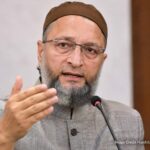
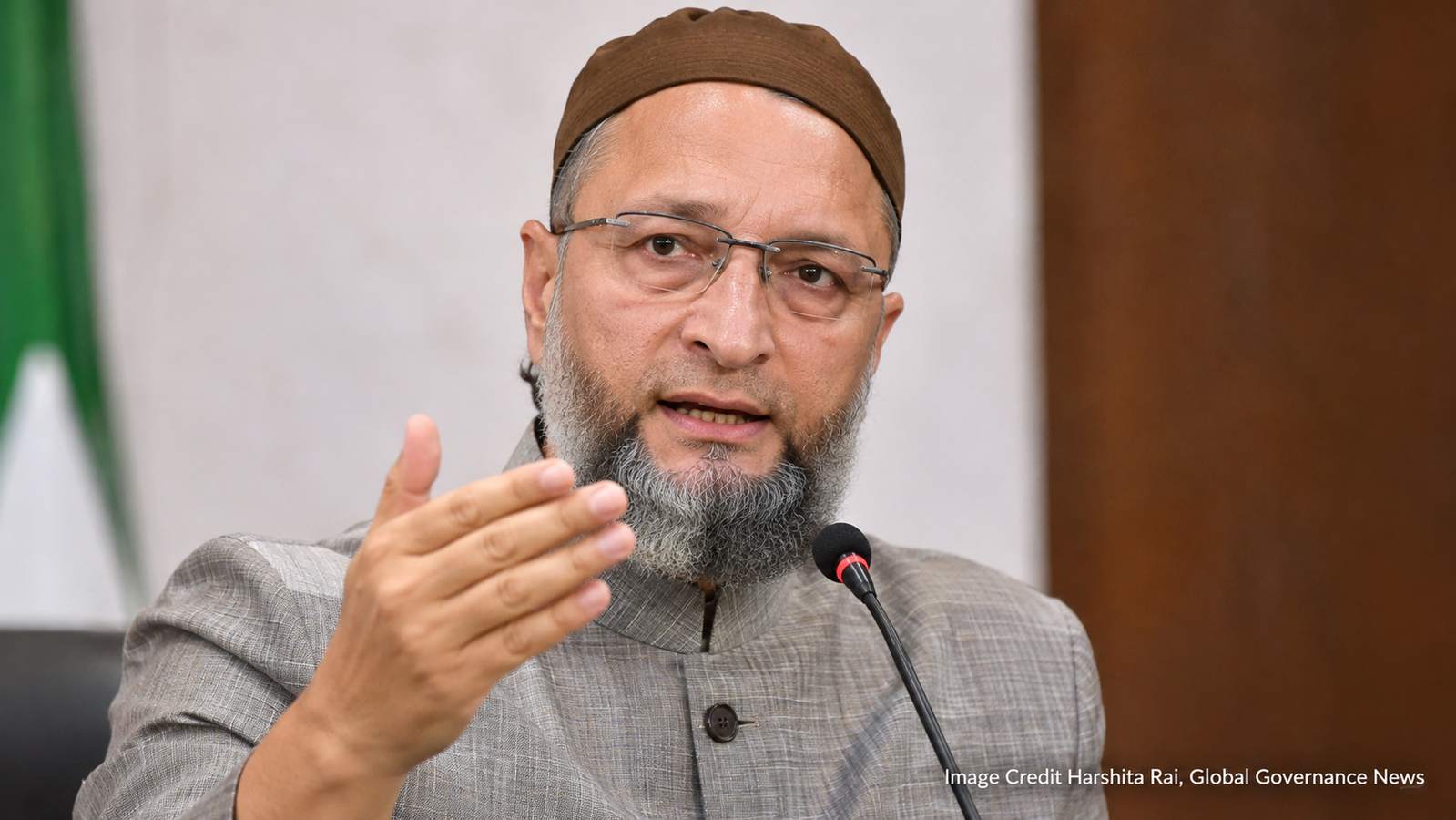
Lucknow, 13th Nov: AIMIM chief Asaduddin Owaisi has accused so-called secular political parties of treating Muslims merely as vote banks rather than citizens entitled to equal rights, while defending his alliance with Chandrashekhar Azad’s Azad Samaj Party ahead of the 2027 Uttar Pradesh Assembly elections.
In an interview with NDTV, Owaisi said the alliance was not limited to the objective of Dalit-Muslim unity, but primarily aimed at preventing the BJP from returning to power in the state. He accused the BJP government of allowing lawlessness and alleged that Muslims faced administrative action, limited employment opportunities and educational disadvantages.
“They see Muslims just as voters, not as citizens with rights,” Owaisi said, alleging that established secular parties sought Muslim votes during elections but failed to ensure adequate political representation for the community.
He also claimed that Muslims had been prevented from developing independent political leadership, unlike other caste groups that had their own political representatives. Owaisi said his alliance with Azad was intended to challenge the existing political arrangement and create an alternative voice for marginalised communities.
Rejecting criticism that the alliance could benefit the BJP by dividing Opposition votes, Owaisi accused the Samajwadi Party and Congress of political inconsistency. He cited the SP’s decision to contest elections in Jammu and Kashmir and the Congress-AAP contest in Punjab, questioning why similar political competition was criticised when his party entered into an alliance with Azad.
Owaisi also took aim at what he described as the “feudalistic mindset” of established parties, alleging that they believed only a select group of political families and leaders could occupy the chief minister’s office. “The days of the offspring of kings becoming kings are over,” he said.
On his strained ties with Samajwadi Party chief Akhilesh Yadav, Owaisi rejected claims that the SP had offered an alliance, calling it the “biggest lie of 2026”. He said he had made an alliance proposal that was turned down by the SP. Owaisi also referred to the Muzaffarnagar riots and his visits to relief camps, describing the experience as a turning point in his political approach.
Criticising Yadav’s proposed visit to Ayodhya, Owaisi alleged that the SP chief was attempting to establish his Hindutva credentials. He argued that Opposition parties should not seek to compete with the BJP on issues he described as the ruling party’s political strong points.
Describing Azad as a young and dynamic leader, Owaisi said established parties wanted to maintain the existing political order, while the new alliance sought to challenge it. His remarks underline the emerging political contest over Muslim and Dalit representation ahead of the Uttar Pradesh Assembly elections.