
Parliament Must Function: Democracy Cannot Remain a Casualty of Political Deadlock

By Dr. Kumar Rakesh
The repeated disruptions in Parliament have once again raised an important question: Can democracy truly serve the people if the House itself is prevented from functioning?
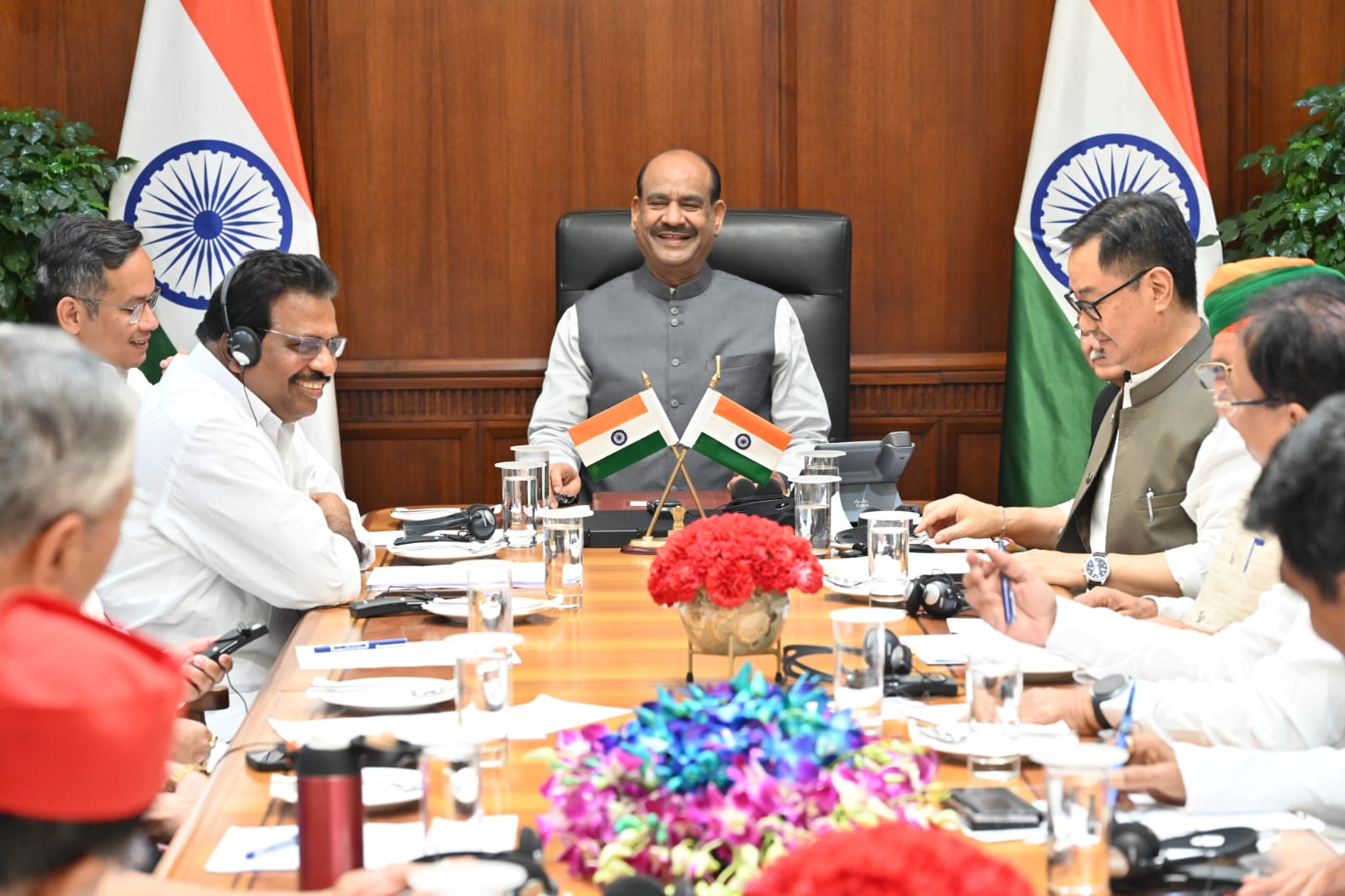
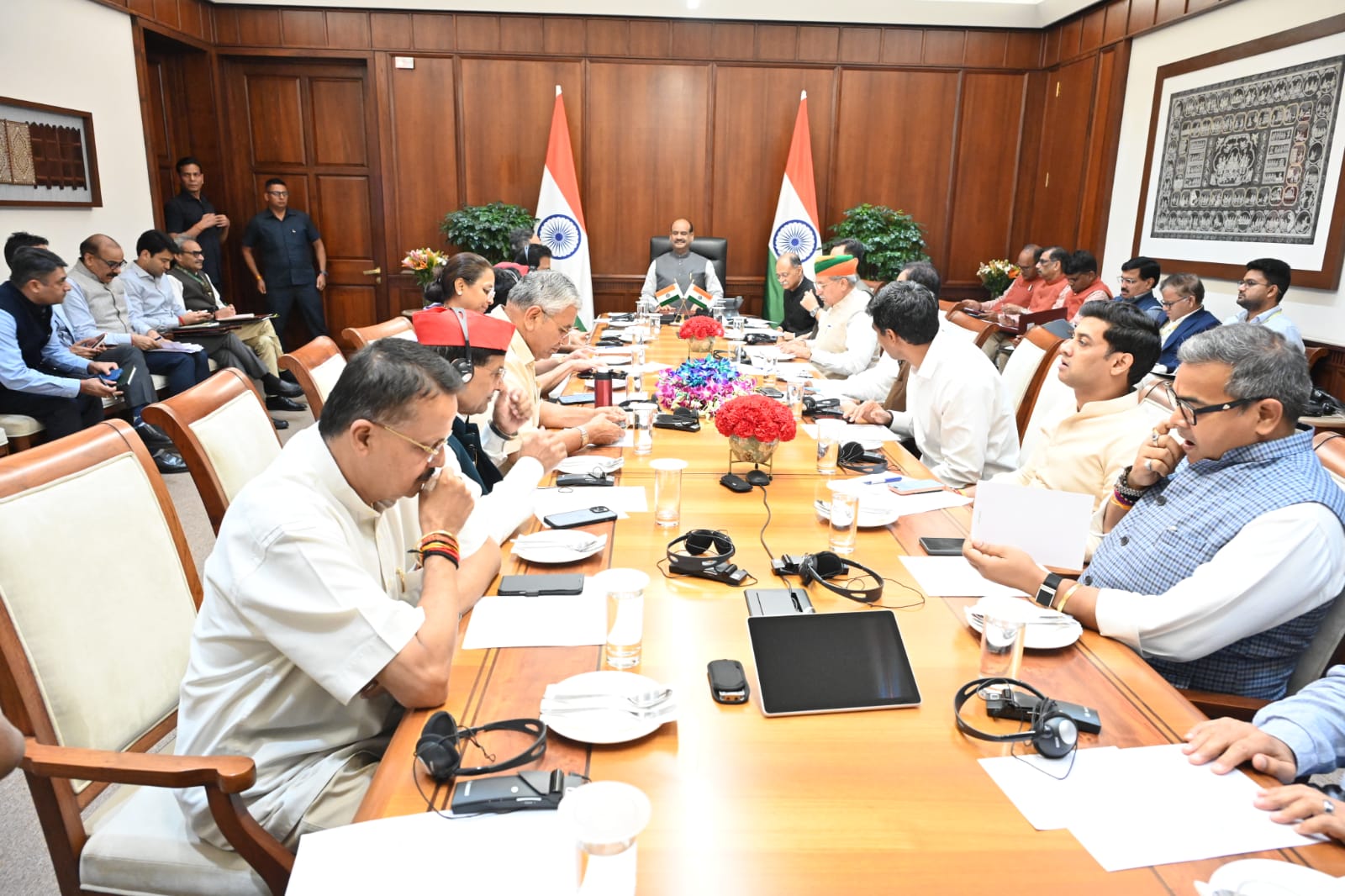
According to sources, during the Business Advisory Committee (BAC) meeting, Lok Sabha Speaker Om Birla made an emotional appeal to leaders of all political parties. Expressing concern over the continued deadlock in the House, he urged them to allow Parliament to perform its constitutional duty.
The Speaker reportedly emphasized that Question Hour should be conducted, important legislation should be debated, and Parliament must remain a forum for constructive discussions rather than constant confrontation. He reminded members that the concerns of ordinary citizens cannot be left waiting outside Parliament. Their voices deserve to be heard, debated and addressed on the floor of the House.
Making a personal appeal, the Speaker reportedly said, “For democracy, for the people, please cooperate. Let the House function.”
Parliament is not merely a political arena; it is the highest democratic institution representing over a billion Indians. Every hour lost to disruption is an hour taken away from public welfare, legislative scrutiny, and accountability. Whether it is employment, agriculture, infrastructure, education, healthcare, or national security, these issues deserve meaningful discussion rather than repeated adjournments.
According to the information received from sources, there is growing concern that sections of the Opposition are prioritizing political confrontation over parliamentary debate. Some observers believe that development-related issues are increasingly being overshadowed by strategies aimed at political messaging. The question naturally arises: Is this approach serving the interests of the people, or merely advancing partisan politics?
Sources further claim that some Members of Parliament within the Opposition are privately uncomfortable with the present style of functioning and leadership, though such claims have not been independently verified. If true, it would indicate that concern over parliamentary functioning extends beyond party lines.
There is also a perception among some observers that both the Lok Sabha Speaker and the Chairman of the Rajya Sabha have expressed concern over the increasing frequency of disruptions and what they view as declining parliamentary standards. These concerns reflect a broader debate about preserving the dignity and effectiveness of India’s democratic institutions.
Healthy disagreement is the essence of democracy. Opposition is indispensable in a parliamentary system. However, opposition must ultimately strengthen democratic institutions, not render them ineffective. Debate, dissent and scrutiny are constitutional responsibilities, but disruption cannot become a permanent substitute for discussion.
The people of India elect Members of Parliament to raise public concerns, question the government, debate policies and pass legislation—not to allow Parliament to remain stalled indefinitely.
Democracy flourishes through dialogue, accountability and participation. The nation expects its representatives to debate, deliberate and decide for the welfare of the people of India—not merely indulge in disruption, but work collectively for the nation’s development.
