
Silk Road Caravan Reaches Mongolia Ahead of UNCCD COP17
Global campaign on rangeland restoration enters final leg before UN desertification summit in Ulaanbaatar

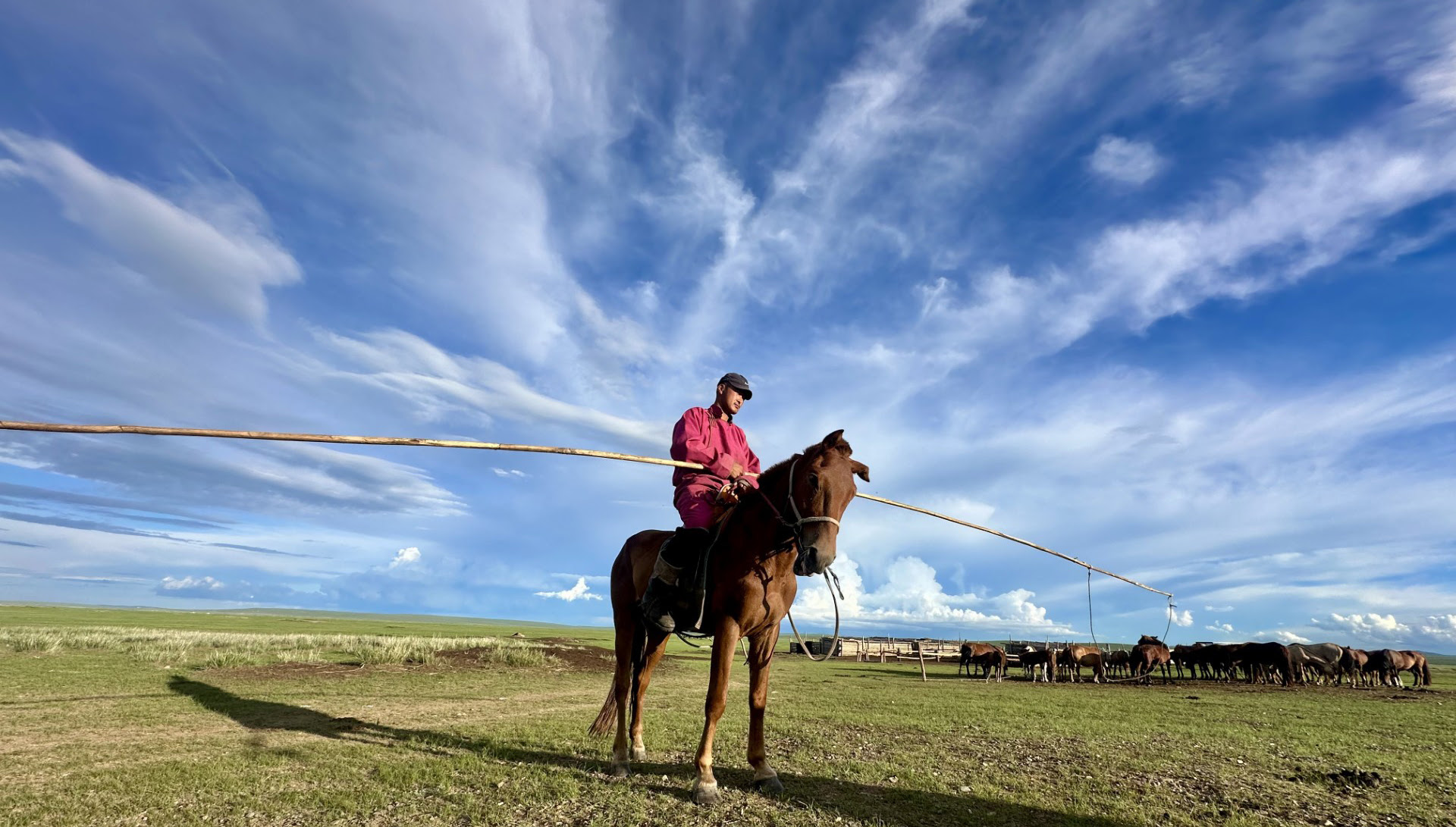
- Silk Road Caravan arrives in Mongolia ahead of UNCCD COP17 beginning August 17.
- Campaign has travelled over 6,000 km across Eurasia promoting rangeland restoration.
- Mongolia highlights pastoral heritage and growing land degradation challenges.
- COP17 to focus on drought resilience, sustainable rangeland management and global cooperation.
GG News Bureau
Ulaanbaatar, 10th Aug: The United Nations Convention to Combat Desertification (UNCCD) Silk Road Caravan has entered Mongolia, marking the final stage of its 6,000-kilometre journey across Eurasia ahead of the 17th session of the Conference of the Parties (COP17), scheduled to be held in Ulaanbaatar from August 17 to 28.
Launched by the UNCCD to support the International Year of Rangelands and Pastoralists 2026, the caravan has travelled through Türkiye, the Russian Federation, Uzbekistan, Kazakhstan, Kyrgyzstan and China, bringing together pastoralists, scientists, policymakers, youth and local communities to exchange knowledge and showcase successful land restoration initiatives.
UNCCD Executive Secretary Dr. Yasmine Fouad said the journey has demonstrated that people remain at the centre of restoration efforts. She noted that every country visited has highlighted unique approaches to restoring rangelands that are closely linked to local identities, cultures and livelihoods.
Mongolia’s Minister of Food, Agriculture and Light Industry Tsagaankhuu Iderbat said the country’s long pastoral tradition and deep connection with its vast rangelands make it an ideal host for COP17. He added that Mongolia’s initiative led the United Nations General Assembly to declare 2026 as the International Year of Rangelands and Pastoralists, underscoring the importance of protecting these ecosystems.
According to the UNCCD, rangelands cover 54 per cent of the Earth’s land surface, support nearly two billion people, provide around 70 per cent of global livestock feed and store significant amounts of carbon. However, nearly half of these landscapes have already been degraded, posing serious risks to biodiversity, food security and rural livelihoods.
In Mongolia, approximately 70 per cent of the country’s territory consists of rangelands that support nearly one-third of its population. At the same time, nearly 77 per cent of the country’s land is affected by degradation, while recurring droughts, sand and dust storms and extreme winters continue to threaten pastoral communities. During 2023–24, more than seven million livestock were lost following severe drought and the harsh dzud winter.
Animal Breeding Specialist Avirmed Gan-Ochir, who is participating in the caravan, said interactions with pastoral communities across Central Asia have highlighted shared challenges and innovative solutions for adapting to climate change while preserving traditional knowledge.
Mongolia’s Minister of Culture, Sports, Tourism and Youth Aldarjavkhlan Jukov said the arrival of the Silk Road Caravan offers an opportunity to connect the country’s nomadic heritage with global efforts to combat land degradation and desertification.
Before reaching Ulaanbaatar, participants will spend a week travelling across Mongolia, visiting the Gobi Desert, Hustai National Park, the UNESCO-listed Orkhon Valley Cultural Landscape, Ugii Lake and several land restoration projects. They will also engage with nomadic herders, researchers, local authorities and pastoral cooperatives.
The experiences gathered during the caravan will feed into discussions at UNCCD COP17, where governments, scientists, Indigenous Peoples, civil society organisations and international stakeholders will deliberate on practical solutions for restoring degraded land, strengthening drought resilience and promoting sustainable rangeland management worldwide.
