
Iran offer US concessions in 5 days, Hormuz opens on 6th, talks on 7th day

By Anjali Sharma
WASHINGTON – Washington on Monday said Tehran wants sanctions relief and access to billions in frozen assets before substantive negotiations, while Iran stated it has yet to receive a formal US rejection through mediators.
Iran has offered to reopen the Strait of Hormuz on the 6th day of a tightly sequenced plan and return to negotiations with the US a day later, setting out its clearest timetable yet for a diplomatic route out of the standoff.
Both sides remain divided over what must happen first. Tehran wants Washington to end the conflict, remove its blockade, release frozen Iranian assets and allow Iranian oil sales before the strait reopens.
The Trump administration said that Iran is demanding major concessions upfront with only a promise of negotiations in return.
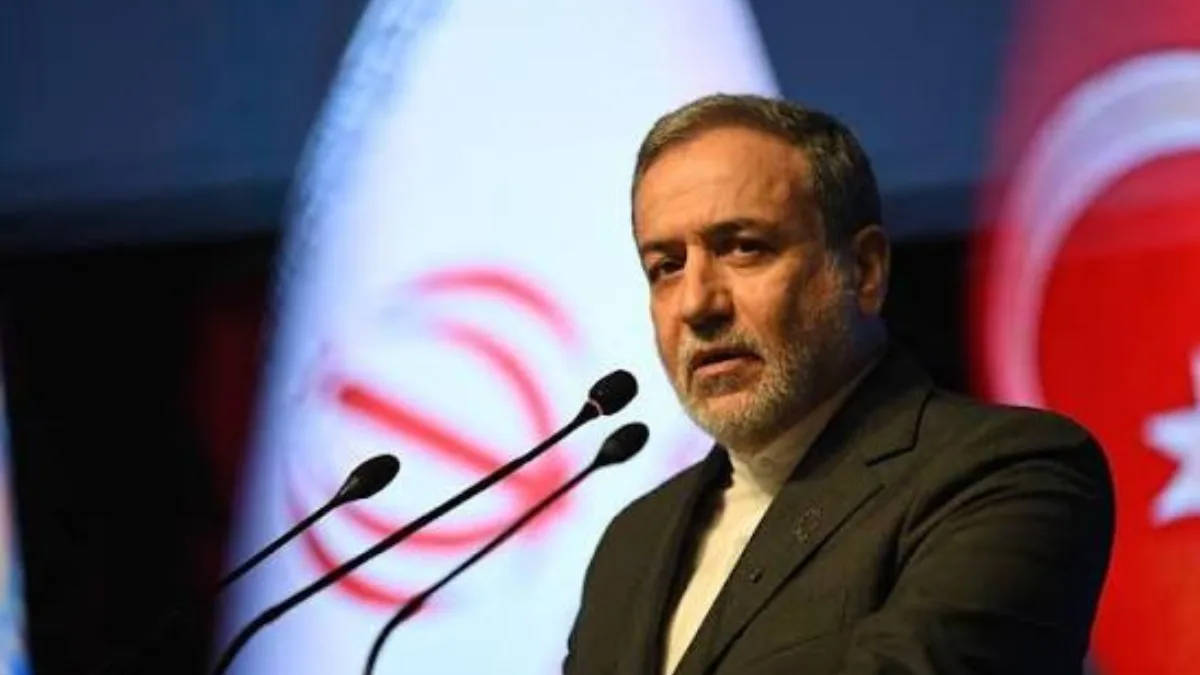
Iranian Foreign Minister Abbas Araghchi detailed the seven-day proposal in an interview with NBC’s “Meet the Press” on Sunday.
“Our proposal is very clear. We are ready to open the Strait if certain things are done by the US,” Araghchi said.
“We want our moneys, our assets, which are illegally frozen, to be released. We want, you know, to be able to sell our oil,” he said.
Araghchi said Washington could complete the steps sought by Tehran within 4 or 5 days.
Under Iran’s proposed sequence, the Strait of Hormuz would reopen on the 6th day.
Negotiations towards a broader agreement would begin on day 7.
“If they are serious that they want a deal to reopen the Strait of Hormuz, now there is the possibility,” Araghchi said. “We have offered this seven-day plan.”
The proposal follows signals from Tehran that it was prepared to reopen the strategically important waterway if Washington eased military pressure and lifted its blockade. Iran’s offer had been transmitted to the US through mediators.
Trump publicly rejected the Iranian proposal on Saturday.
“They want to make a deal where they open the strait immediately because they’re losing so badly,” Trump said. “But we’re winning tremendously. We have total control of the Hormuz Strait.”
US Ambassador to the UN Mike Waltz said the administration’s objection centred on the sequence of the Iranian offer.
“They were asking for everything up front,” Waltz told CNN‘s “State of the Union”.
According to Waltz, Tehran was seeking relief from US and UN sanctions as well as access to billions of dollars in frozen assets before substantive negotiations.
“The bottom line is, they were asking for everything up front with a promise that they would then talk,” he said.
Waltz said Trump was not convinced Tehran was approaching negotiations in good faith or that talks would result in an agreement over Iran’s nuclear programme.
He also accused Iran of violating an earlier memorandum of understanding through attacks on international shipping.
Iran disputes Washington’s account and says the US breached previous agreements.
Despite Trump’s public rejection, Araghchi said Tehran had yet to receive a formal response through mediators.
“At the same time, we are ready for diplomacy,” he said. “But, and now there is a very reasonable plan on the table. If they reject it with no reason, this is their fault.”
Media also reported that mediators had not formally conveyed a US rejection to Tehran.
Trump told Axios that he expected US negotiators to engage in further talks this week.
Iranian President Masoud Pezekhaian said Tehran was prepared to proceed in stages under a framework based on the earlier memorandum.
“Obviously, we will abide by whatever we commit to,” Pezeshkian told CBS‘s “Face the Nation”.
He also indicated that restrictions and inspections relating to Iran’s nuclear programme could be negotiated within existing frameworks.
“Within the framework of the NPT and the other existing frameworks, all of these issues are matters that can be agreed upon,” Pezeshkian said.
Araghchi coupled the diplomatic offer with a warning that Tehran was prepared if hostilities resumed.
“We are fully prepared for the war to be resumed,” he said. “But at the same time, we are ready, we stand ready for diplomacy. It is up to President Trump to choose.”
The sources indicated that his comments leave the 7 day proposal formally on the table from Tehran’s perspective, even as Washington has publicly rejected its terms.
